Buying a Home in Downtown Amsterdam: Everything You Need to Know
In short:
- Average price: €692,700 for 89.5 m² (€8,263 per m²)
- Bidding above the asking price: 57.9% of buyers bid an average of 8.5% above the asking price
- Time to sell: 69 days on average
Living in Amsterdam’s city center means being right in the thick of things. The canals, the museums, the cafés—everything is just around the corner. But the City Center isn’t a homogeneous area. From the exclusive Canal District to the lively Nieuwmarkt: each neighborhood has its own character, price range, and target audience. This City Center neighborhood guide helps you determine which part of the City Center suits you best and what to expect if you’re looking to buy a home here.
The neighborhoods of Centrum: where would you like to live?
The city center consists of several distinct areas. Below is a list of the main neighborhoods.
Canal District: Iconic and Exclusive
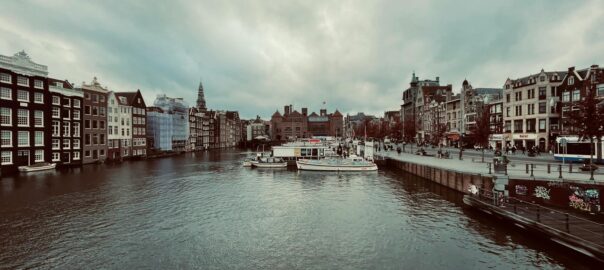
The Prinsengracht, Keizersgracht, and Herengracht form the heart of the Canal District. Here you’ll find historic buildings with high ceilings and authentic details. Prices in this area are at the high end of the spectrum, often exceeding €12,000 per square meter. This area primarily attracts affluent buyers and investors interested in heritage properties.
Jordaan: a cozy neighborhood with old-world charm
The Jordaan combines a historic atmosphere with a small-town feel. Courtyard homes and narrow streets give the neighborhood an intimate character. Prices are slightly lower than in the Canal District, but still quite high. Young professionals and creative entrepreneurs feel right at home here.
The Red Light District and Nieuwmarkt: lively and diverse
This area is the most touristy, but it also offers a surprisingly high quality of life for those who enjoy a lively atmosphere. The Nieuwmarkt features a bustling square with restaurants and bars and a multicultural vibe. Prices vary widely: apartments on quieter side streets are more affordable than those located directly on busy thoroughfares.
Eastern Islands: lush with water and more peaceful
Kattenburg, Wittenburg, and Oostenburg are located just outside the hustle and bustle. Here you’ll find more space, water, and a relaxed atmosphere. Prices per square meter are generally lower than in the Canal District, making this neighborhood an attractive option for buyers who want to be in the city center without the chaos.
Haarlemmerbuurt: up-and-coming and contemporary
Haarlemmerdijk and Haarlemerstraat are known for their shops and restaurants. The neighborhood has a young, vibrant atmosphere. Homes here are popular among first-time buyers on a budget and young families looking for a combination of liveliness and accessibility.
Bid increments: prepare for competition
Bidding above the asking price is virtually the norm in Amsterdam City Center. Of all buyers, 57.9% bid above the asking price, with an average of 8.5%. This percentage varies by property type:
Factors that influence bidding:
- Property condition: Renovated properties sell for €1,000 more per square meter
- Number of bedrooms: Homes with 2 or more bedrooms are more popular
- Location: Canals and popular streets face more competition
- Timing: An average sales cycle of 69 days means quick decisions
Tips for successful bidding:
- Determine your maximum budget in advance, including any potential overbids
- Get pre-approved for the maximum mortgage amount
- Hire an experienced real estate agent
- Please be aware of additional costs (notary fees, appraisal fees, transfer tax)
How much does a house cost in the city center?
The average price per square meter in Amsterdam City Center is around €8,263, according to recent NVM figures from March 2026. For certain prime locations such as the Canal District, expect to pay €12,000+ per square meter. Bidding above the asking price is common: expect to pay 5 to 15% above the asking price. If you’d like to learn more about bidding strategies, you’ll find detailed information about the bidding process on our website.
Types of homes and practical considerations
The housing stock consists mainly of canal-side homes, apartments, and courtyard homes. New construction is scarce. You won’t find any single-family homes with gardens here.
Please note: Energy labels for historic buildings
Many canal-side homes have an energy efficiency rating of E, F, or G. Insulating them is difficult due to historic preservation regulations, which results in higher heating costs. Keep this in mind when arranging financing: an energy-saving mortgage is often not an option.
Homeowners' Associations and Maintenance for Historic Apartments
For apartments in historic buildings, homeowners’ association fees are often high. Always request the long-term maintenance plan and check the reserve fund. Unexpected costs for facade renovation or foundation repair can add up significantly.
Parking Permit: Waiting Times and Costs
Parking in the city center is expensive and complicated. The wait time for a resident parking permit can be as long as several years. The cost is around €600 per year. Alternatives include private parking spaces or park-and-ride facilities on the outskirts of the city.
Step-by-Step Guide: Buying a Home in Downtown Amsterdam
Step 1: Determine the budget and financing
Calculate your maximum mortgage based on 4–5 times your annual income. Take the following into account: • Bidding premium (8.5% on average) • Buyer’s costs (approximately 2–3% of the purchase price) • Potential renovation costs (€3,000+ per m²).
Step 2: Select a neighborhood
Decide which neighborhood suits your budget and lifestyle: • Canal District: €12,000+ per square meter, exclusive • Jordaan: Slightly more affordable, lively atmosphere • Eastern Islands: More space, quieter.
Step 3: Select a home type
- The city center mainly offers: • Apartments (1–2 bedrooms) • Canal-front properties (often historic) • Courtyard homes (authentic charm)
Step 4: Viewing and Bidding
- Schedule multiple viewings in a single day • Work with a buyer’s agent • Make sure your financing is fully in order
Step 5: Legal reviews
- Building inspection (required for older properties) • Check the ground lease arrangement • Request information from the homeowners' association
Who is Centrum suitable for?
The city center mainly attracts expats, young professionals, and investors. Families with children have limited options here. There are some elementary schools, such as the Eerste Openluchtschool and the Willemsschool, and playgrounds like Westerpark on the edge of the Jordaan neighborhood. Still, most families opt for neighborhoods with more green space and schools.
The city center, or perhaps a neighboring neighborhood?
Can’t decide between Centrum and another neighborhood? Oud-West offers a more peaceful, family-friendly atmosphere at slightly lower prices. De Pijp combines a lively atmosphere with a wider range of schools. Oud-Zuid is more expensive but has more green spaces and open areas. Check out our other neighborhood guides to compare.
Sources and current data
- NVM Transaction Data for Amsterdam City Center (March 2026)
- City of Amsterdam – Leasehold Information
- Land Registry – Housing Market Price Trends
- CBS – Population Statistics for Amsterdam
- Vereniging Eigen Huis – Homebuyer’s Guide 2026
Buying a home in the city center: is it right for you?
Buying a home in the city center is an investment in location and lifestyle. Prices are high, but demand remains strong. Make sure you’re financially prepared and hire a real estate agent who knows the local market.
Frequently Asked Questions (FAQ)
What are the average additional costs? Expect to pay 2–3% of the purchase price for notary fees, appraisal, and transfer tax.
How long does the buying process take? On average, 69 days from the first viewing to the handover of the keys.
Is a buyer's agent necessary? Highly recommended, given the complexity and competition in the city center.
What are typical homeowners' association fees? €150–€400 per month, depending on the condition of the building and the amenities.
Can I get financing without any down payment? That’s difficult, given the bidding wars. A down payment of at least 10–20% is recommended.
What types of insurance do I need? Homeowners insurance (required), contents insurance, and possibly legal expense insurance.